How to Create a Weekly Meal Plan
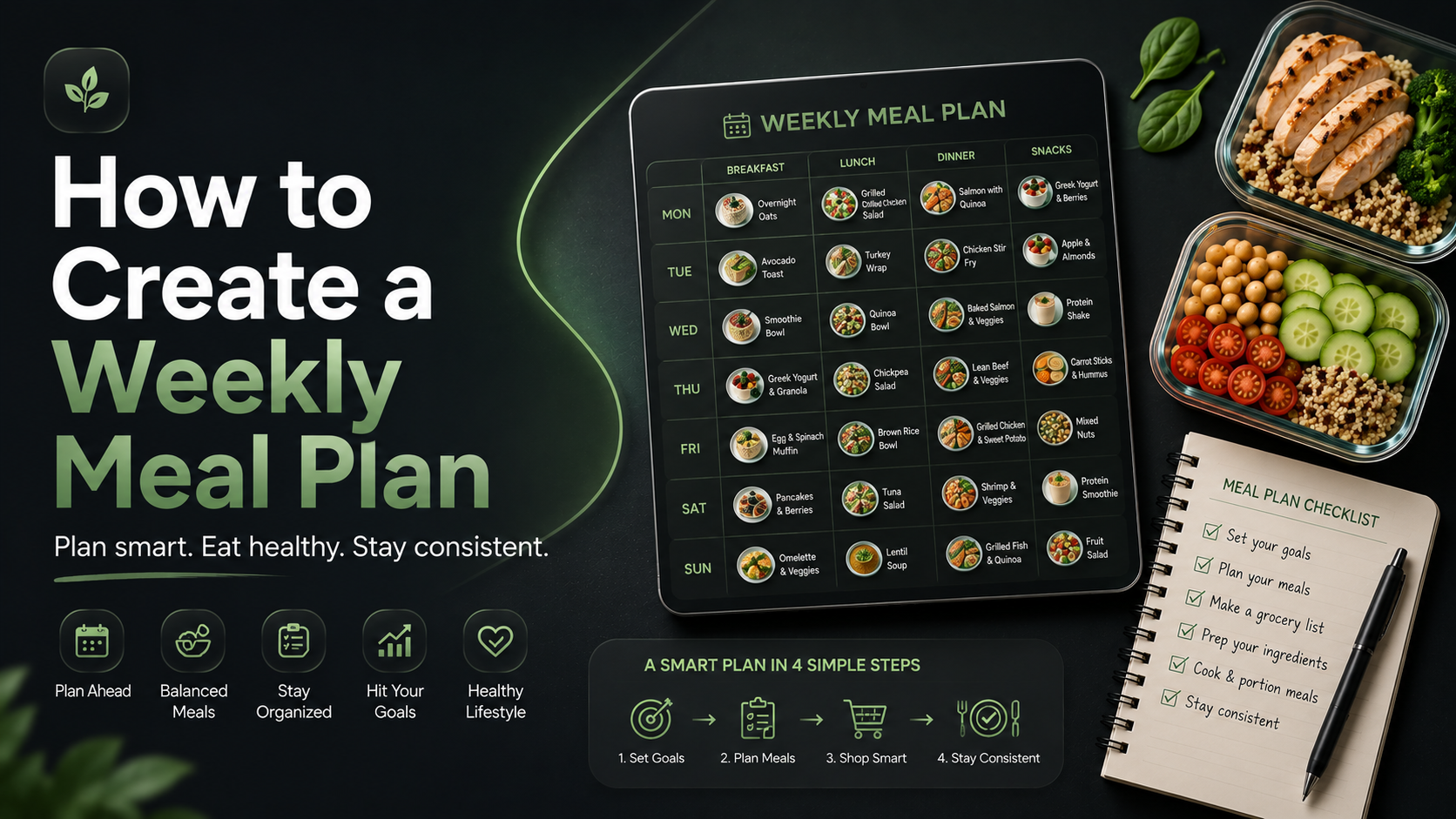
Healthy eating sounds easy until 6:00 PM rolls around, you’re exhausted from work, and the path of least resistance becomes ordering takeout. Relying on willpower to make good food choices multiple times a day is a losing battle against decision fatigue. That’s where a weekly meal plan comes in. It isn’t about spending your entire Sunday chained to the stove or eating the exact same bland chicken and broccoli for five days straight. Instead, it’s simply a roadmap that removes the daily guesswork, saves you money, and keeps you aligned with your health goals without requiring perfection.[nourishingmeals]
The biggest mistake people make when starting this roadmap is picking out recipes before looking at their actual lives. Your schedule should dictate your menu, not the other way around. If you know Tuesday is packed with late meetings and kids’ activities, that is not the night to attempt a complicated new stir-fry. By matching your meal complexity to your daily calendar—saving the time-consuming dishes for the weekend and relying on quick assemblies or leftovers on chaotic weeknights—you set yourself up for success before you even write down a single ingredient.[nutritionist-resource.org]
Once you know what kind of time you have, the next step is to look at what you already own. Taking a quick inventory of your freezer and pantry before heading to the store prevents you from buying duplicate items and helps you build meals around ingredients that might otherwise go bad. This naturally shifts your focus from following rigid recipes to simply combining available components, which is a much more sustainable way to feed yourself throughout the week.[erudit]
Building Meals That Actually Work
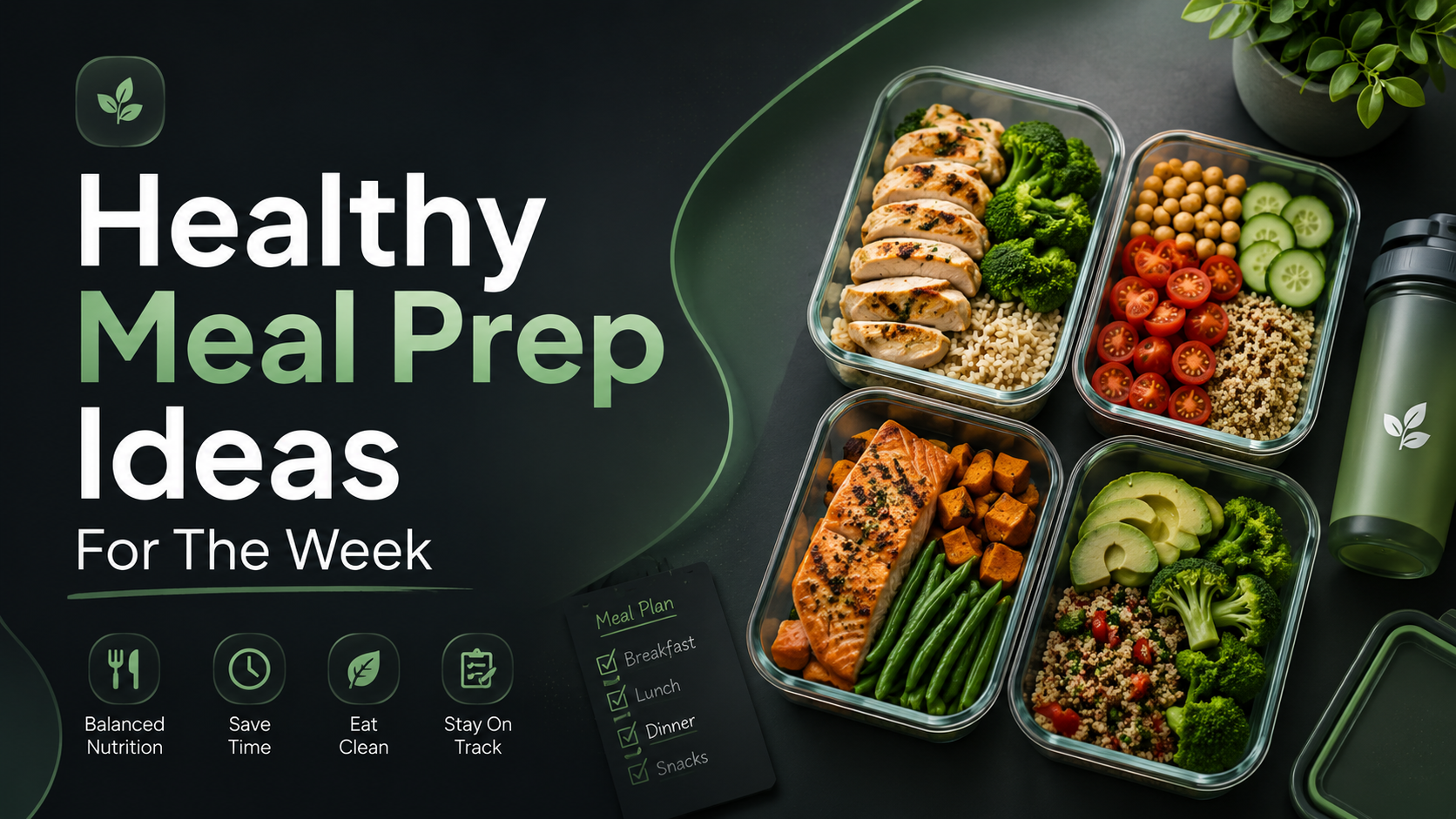
Instead of endlessly scrolling for new dinner ideas, think of your meals in terms of simple building blocks. Start with a solid protein, add a colorful vegetable, include a smart carbohydrate for energy, and finish with a healthy fat for flavor. When you structure your plate this way, you can easily swap out ingredients based on what’s on sale or what you already have in the kitchen. Cooking a large batch of versatile basics—like roasted vegetables, grilled chicken, or a pot of quinoa—allows you to mix and match them into bowls, salads, or wraps all week long without feeling like you're eating the exact same thing every day.[moldstud]
This ingredient-first approach completely changes how you shop and prep. When your grocery list is organized by store sections and focused on overlapping ingredients, you spend less time wandering the aisles and waste less money on produce that rots in the crisper drawer. Once you get home, the goal isn't necessarily to cook full, plated meals in advance. Simply washing and chopping your vegetables, cooking a few staple proteins, and portioning out snacks into grab-and-go containers removes the friction that usually leads to impulsive, less healthy choices when you're short on time.[brainandlife]
Even with a fridge full of prepped ingredients, you still need a backup strategy for the days when everything goes wrong. Keeping a few emergency options on hand, like frozen homemade meals, low-sodium soups, or whole-grain wraps, ensures that a chaotic evening doesn't completely derail your progress. It’s about creating an environment where the healthy choice is always the easiest choice, even when you have zero energy left to cook.[nutritionist-resource.org]
Designing a Plan You Won't Quit
Creating this environment is only half the battle; maintaining it requires accepting that real life rarely follows a perfect script. Unexpected dinners, travel, and sudden schedule changes are guaranteed to happen, which is why treating your meal plan as a flexible guide rather than a strict set of rules is crucial. If you know you’re eating out on Friday, simply plan for lighter, protein-heavy meals earlier in the day, and intentionally cook extra portions on Wednesday so you have built-in leftovers for Thursday's lunch. Thinking in terms of options and rotations, rather than locking yourself into a rigid daily menu, keeps the routine from feeling like a chore.[nourishingmeals]
To keep that routine sustainable over the long haul, resist the urge to overhaul your entire diet overnight or plan seven completely different, from-scratch dinners every single week. Most households thrive on a rotation of ten to fifteen familiar, simple meals that everyone actually enjoys. By keeping a master list of these favorites and occasionally doubling the recipe to freeze for later, you drastically reduce the mental load of planning. And when you inevitably miss a meal or order a pizza because you're too tired, just move on to the next planned meal without guilt.[nutritionist-resource.org]
Meal planning is a skill that improves with practice, not a test of your discipline. Your first week might be a little messy, and you might buy too much spinach or underestimate how long it takes to chop onions, but every week gives you the data you need to refine your system. By focusing on balanced building blocks, prepping ingredients instead of full meals, and giving yourself the grace to be flexible, you transform food from a daily source of stress into a sustainable habit that supports your life for years to come.[pmc.ncbi.nlm.nih]
About the author

Shahbaz Ahmad