Protein Tracker App: How to Track Your Protein Intake the Easy Way
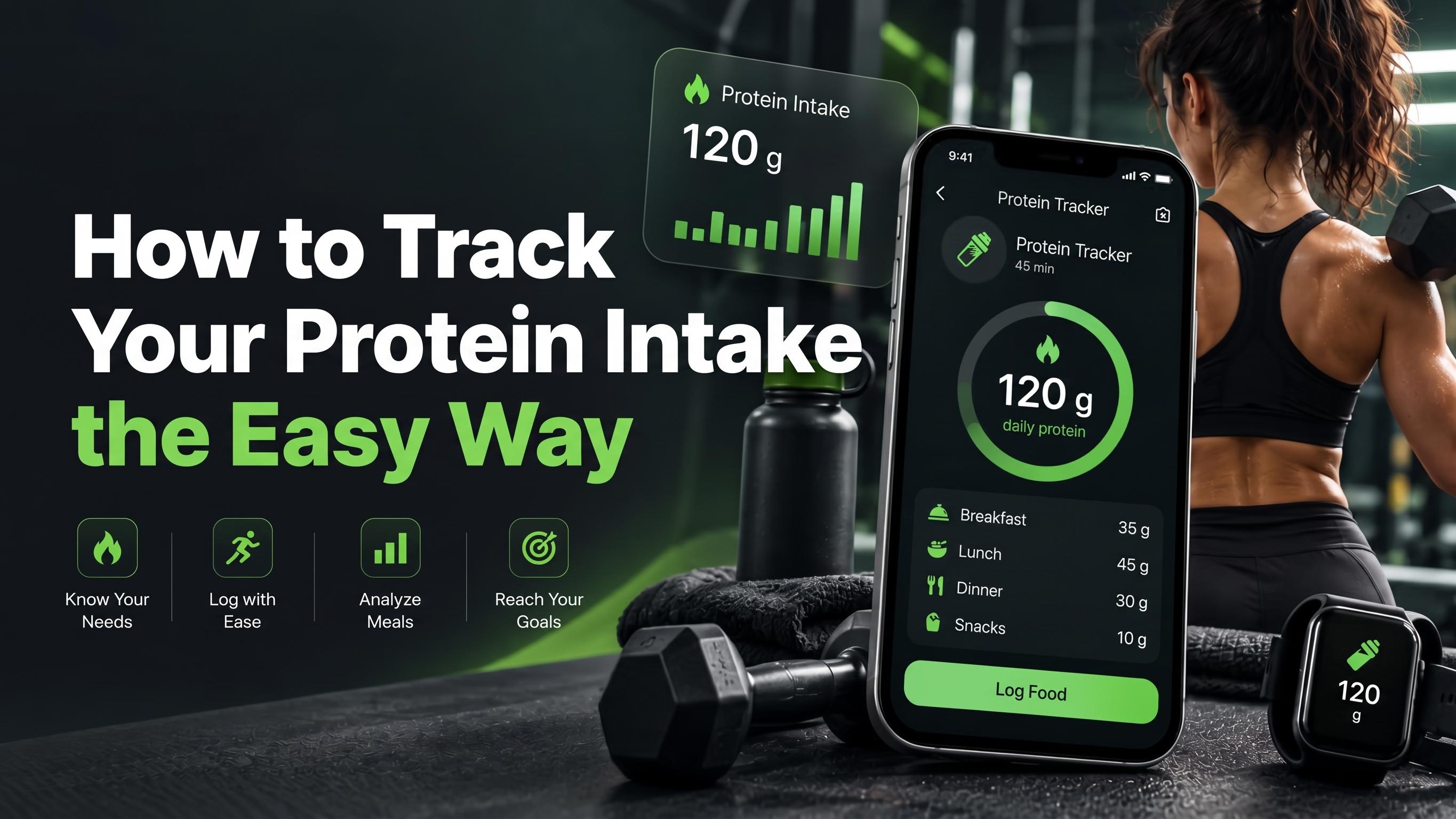
You ate a first class breakfast, a normal lunch and a random snack at 4pm. So how much protein did you actually get today? Most people bet, and at most humans make incorrect bets. That’s why a loose protein tracker app has become one of the most useful things you can put on your phone.
Here's the coolest element: you don't want a spreadsheet, food scale charm, or paid plan to try this pretty. You need more than a few to make your objective, an easy way to log your food, and a tracker that doesn't require a break through your Wednesday. Let's go through all 3 of them.
How much protein do you really need?
You need a clean objective before you do any tweaking. Following with out direction is just journaling, for sure. Traditionally humans use the encouraged dietary allowance as a baseline about 0.eight grams of protein phased in with a frame weight of kilograms per day for healthy adults. For someone who weighs 70 kg (154 kg), that’s about 56 grams per day. But realistically, that range is beyond the starting line than anything. State-of-the-art signs spell it out. The Dietary Guidelines for Americans, released in January 2026 with protection from 2025 to 2030, now propose protein goals of 1.2 to at least one.6 grams per step with the kilogram and encourage getting protein-rich ingredients with every meal.
If you want to elevate weights or build muscle, studies tend to settle around 1.6 grams per kilogram. A widely cited analysis determined that more protein past less than that factor stopped including plenty of muscle for most humans, so more isn't regularly better.
A quick way to find your own range:
- Take your weight in pounds and divide it by 2.2 to get kilograms.
- Multiply by 1.2 for the low end of your range.
- Multiply by 1.6 for the high end.
That's your window. Now you know what the tracker is chasing.
Why Tracking Beats Guessing
Proteins can be complex. You take 100 grams of skinless bird breast and maybe assume you’re getting 100 grams of protein—no. It’s like 23 grams extra, and that wide variety catches various humans off guard when logging their food during the primary time. Eggs, yogurt, lentils, tofu—they each percent their very own punch, yet now not consistently to the extent you might imagine. The side is, what ends up for your plate may not fit what the label says. It makes it easy to save music, especially if you consume in spurts or non-specific occasions.
Your body doesn't build muscle from huge protein meals unwed. Research on muscle protein synthesis shows that 20 to forty grams per meal works for maximum humans, or more or less 0.four grams per step with a sitting kilogram body weight. So if you eat 90 grams at night and then eat almost nothing before then you are leaving something on the table. A proper tracker shows you that pattern in about 5 seconds.
What the Best Protein Tracker App Should Do Well
Search "best protein tracker app" and you'll find a hundred options, and they all promise the moon. Skip the sales pitch and check for the things that actually matter day to day.
It makes logging fast. If adding lunch takes three minutes, you'll stop by the weekend. Look for barcode scanning, a searchable food database, and a recent foods list so repeat meals take two taps.
It puts protein front and center. Plenty of apps hide protein behind calories. For a true protein counter app, grams of protein should be visible on the home screen, with your daily goal right beside it.
It lets you set your own goal. Remember that range from earlier? You should be able to type in your own number rather than accept a default that ignores your body and your goals.
It's honestly free. A free protein tracker should let you log protein without a paywall popping up mid meal. Basic tracking is the whole point, so be wary of apps that lock it away.
It shows per meal totals. Since spreading protein across the day matters, seeing each meal's number helps you fix gaps, like a protein light breakfast.
How to Track Protein Intake for Free (Step by Step)
If you've been wondering how to track protein intake free of charge, the process is simpler than it sounds.
- Set your daily target. Use the range you calculated above and pick a number inside it.
- Log as you eat, not at night. Memory is a terrible accountant. Log your meal right after you eat it, even if it's rough.
- Scan before you search. Packaged foods are fastest with a barcode scan. For home cooked food, search the closest match and adjust the serving.
- Check your meals, not just your total. Glance at breakfast, lunch, and dinner. If one is close to zero, that's your easiest fix tomorrow.
- Review once a week. Don't judge a single day. Look at the average and tweak from there.
Easy Ways to Hit Your Number Without Eating Boring Food
Once you start tracking, you will notice a few easy wins. Add eggs or Greek yogurt to breakfast. Round up canned fish or cooked chook for an instant lunch. Mix beans or lentils into dishes you’ve already prepared. Protein can come from animal foods like eggs, poultry, seafood, beans and lentils, nuts, seeds, soy and flowers, so the range is easy
Supplements can help in a pinch, however they are not megastars. Consumer Reports notes that closely processed protein powders and fortified bars are not satisfactory selections, and that whole foods need to come first
A Quick Word of Caution
Protein notably however matters in your situation. Healthy adults generally deal well with higher intakes, however humans with persistent kidney disease and some other conditions may also want to limit protein if that sounds like you, or if you are pregnant, elderly, or dealing with a health condition, check with your doctor before changing your numbers. The tracker is a tool, not a medical recommendation.
Final Thoughts
Protein tracking isn't always about perfection. It's approximately the understanding in which you stand so small changes grow to be obvious. Choose a category, choose an unbound protein tracker application that makes logging painless, and provide weeks. You will in any case analyze extra about your eating habits during those fourteen days than the rest of the year. Start tomorrow with breakfast. Log it, see a wide variety, and let the comfort comply.
References
- Nutrition Advance, "How Much Protein Do We Need Per Day?" (RDA of 0.8 g/kg; protein and muscle gain findings up to 1.6 g/kg). https://www.nutritionadvance.com/how-much-protein-per-day/
- American Academy of Family Physicians, "Dietary Guidelines for 2025 to 2030: Recommendations From the USDA and HHS" (1.2 to 1.6 g/kg daily; protein at every meal). https://www.aafp.org/afp/2026/0700/practice-guidelines-dietary-guidelines
- UT Southwestern Medical Center, "What do the new Dietary Guidelines for Americans mean for you?" (81 to 104 grams for a 150 pound person). https://utswmed.org/medblog/dietary-guidelines-update/
- Scripps News, "Trump administration issues updated dietary guidelines, calls for higher protein intake" (guidelines released January 7, 2026). https://www.scrippsnews.com/health/trump-administration-issues-updated-dietary-guidelines-calls-for-higher-protein-intake
- Consumer Reports, "How Much Protein Do You Really Need?" (whole foods over processed powders and bars). https://www.consumerreports.org/health/nutrition-healthy-eating/how-much-protein-do-you-really-need-a2065027197
- 6D Sports Nutrition, "Spreading protein throughout the day: how much and when?" (about 20 grams per portion, 0.4 g/kg per meal, up to 40 grams). https://6dsportsnutrition.com/en/science/eiwitverdeling-gedurende-de-dag
- Medical News Today, "How much protein do you need every day?" (limits for people with chronic kidney disease). https://www.medicalnewstoday.com/articles/322825.php
- Dischem Living Fit, "Nail your daily protein intake to build more muscle" (100 g skinless chicken breast provides about 23 g of protein; Phillips et al., British Journal of Sports Medicine meta-analysis). https://dischemlivingfit.co.za/gym/nail-your-daily-protein-intake-to-build-more-muscle/
About the author

Shahbaz Ahmad