AI Calorie Tracker vs Manual Calorie Tracking

Tracking food intake has long been the gold standard for understanding eating habits and managing weight. For years, this meant manually searching databases, deciphering nutrition labels, and logging every single bite. Today, artificial intelligence offers a radically faster alternative, capable of recognizing meals from a simple photo. But as this technology becomes mainstream, a common debate has emerged: is an AI-powered tracker actually better than traditional manual logging? The answer isn’t about which technology is mathematically superior, but rather which method aligns with your lifestyle, because both approaches come with their own unique sets of strengths and blind spots.[nourishingmeals]
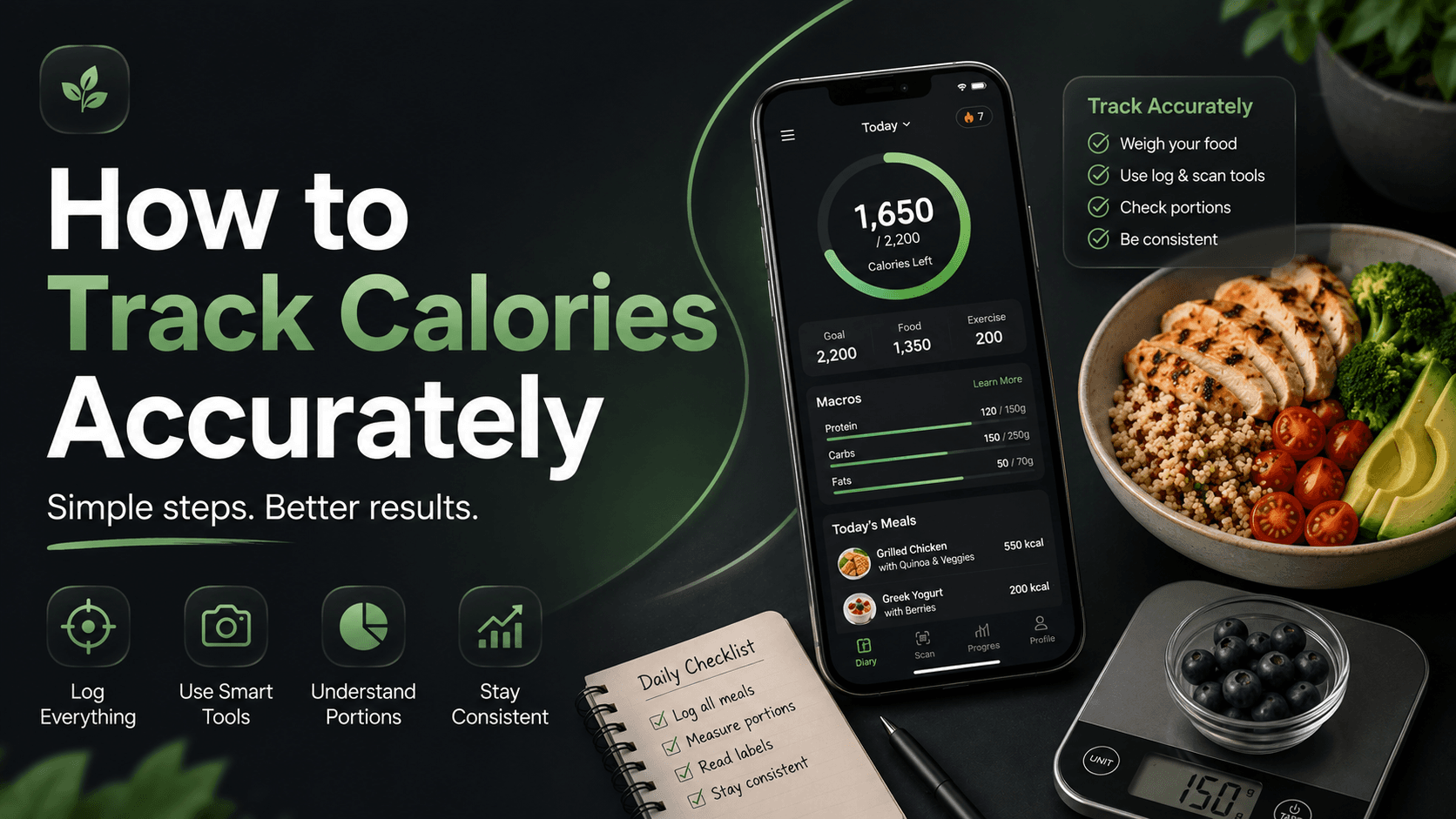
Manual calorie tracking gives you absolute control over every entry. By searching for specific foods, reading labels, and measuring portions with cups or a kitchen scale, you are directly involved in the math. Because nothing is automated, it feels inherently more precise. However, research consistently shows that this sense of control is often an illusion. The biggest flaw in manual tracking isn’t the database; it’s human memory. Even highly motivated people unintentionally underestimate their intake by forgetting a handful of almonds, misjudging a portion of pasta, or entirely overlooking the cooking oil used in a pan. The sheer effort required to log every single ingredient also creates massive friction, which is exactly why so many people abandon the habit after a few weeks.[brainandlife]
The Convenience of Automation
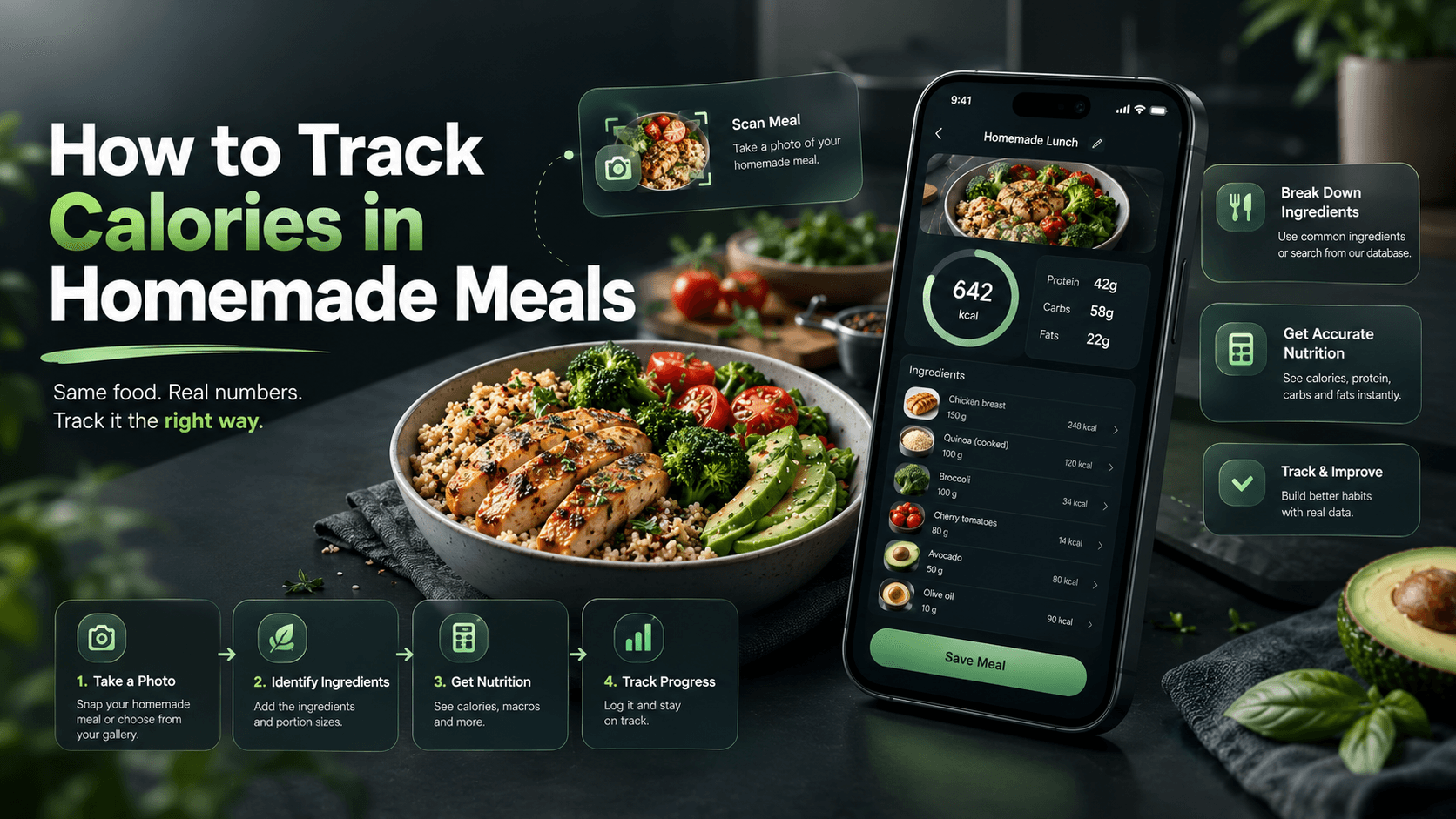
Artificial intelligence steps in to solve that exact problem of friction. Instead of spending minutes searching for “grilled chicken breast” and adjusting serving sizes, you simply snap a picture, scan a barcode, or confirm a suggested meal. By acting as an intelligent assistant, AI dramatically reduces the time and mental energy required to log your day. This streamlined workflow makes consistency much easier to achieve, but it trades manual control for visual estimation. While computer vision is fantastic at identifying an apple or a slice of pizza, it struggles with the invisible realities of food. A camera cannot see the two tablespoons of butter melted into your mashed potatoes, nor can it accurately gauge the depth of a bowl of chili from a flat, two-dimensional photo.[nutritionist-resource.org]
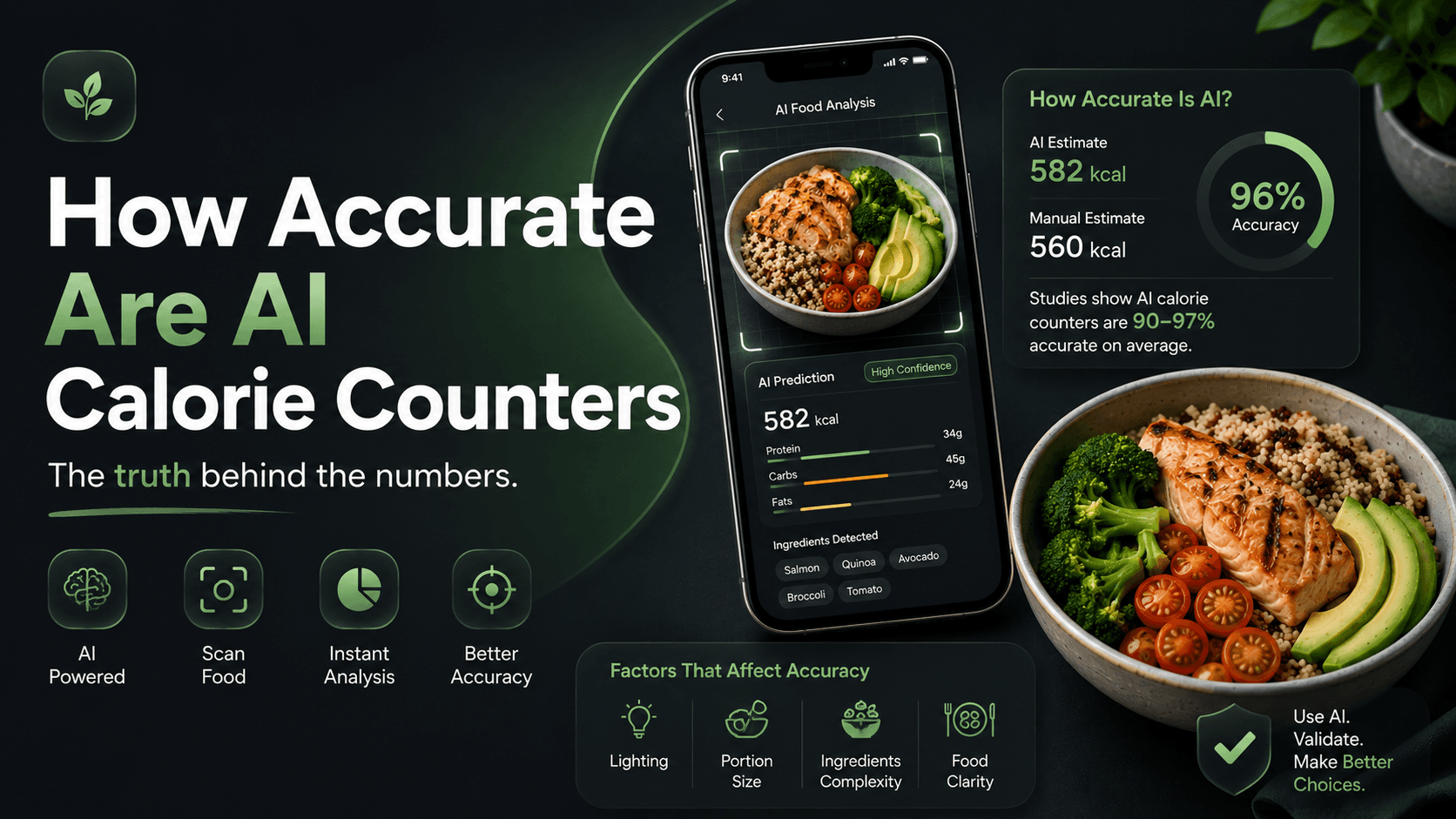
This creates an interesting paradox in accuracy. Manual logging fails because of human forgetfulness and fatigue, while AI tracking falls short because of hidden ingredients and portion guesswork. Simple, whole foods like a piece of fruit or a scrambled egg perform beautifully with AI, whereas complex, homemade recipes with layered ingredients are much better suited for manual entry. Ultimately, neither system is universally more accurate in every situation. The quality of your data depends far more on your awareness of what you’re actually eating than the specific tool you use to record it.[hopkinsmedicine]
Why Sustainability Beats Perfection
Because both methods have inherent flaws, asking which one is perfectly accurate is the wrong question. The only metric that truly matters for long-term weight management is consistency. A slightly less precise AI method that you use every day for a year will yield infinitely better results than a highly detailed manual system you abandon after two weeks. When you track consistently, you start to see the broader patterns that actually drive progress, like weekend overeating, hidden liquid calories from specialty coffees, or a lack of protein in your daily meals. These macro-level insights are far more valuable than obsessing over a twenty-calorie difference in a database entry.[erudit]
Finding the right approach usually comes down to your daily routine. If you are an avid home cook who loves meal prepping and weighing ingredients, manual logging gives you the granular control you need. On the other hand, if you have a busy schedule, eat out frequently, or simply hate data entry, AI removes the barriers that usually cause you to skip logging altogether. In reality, the most successful trackers don’t rigidly stick to just one method; they blend them. They might use AI to quickly snap a photo of their restaurant lunch, scan the barcode on their afternoon protein bar, and manually build a custom recipe for their favorite homemade weekend dinner.
Regardless of which tools you use, a few core habits will always improve your results. Log your food before or immediately after you eat it, rather than trying to reconstruct your day from memory at bedtime. Learn what standard portion sizes actually look like so you can catch unrealistic AI estimates, and never forget to log the small things like cooking oils, sauces, and beverages. Ultimately, calorie tracking is not a test of your discipline, nor is it about achieving impossible precision. It is simply a mirror reflecting your eating habits. Whether you rely on the speed of artificial intelligence or the control of manual entry, the best tracker is simply the one you will actually keep using.[brainandlife]
About the author

Shahbaz Ahmad